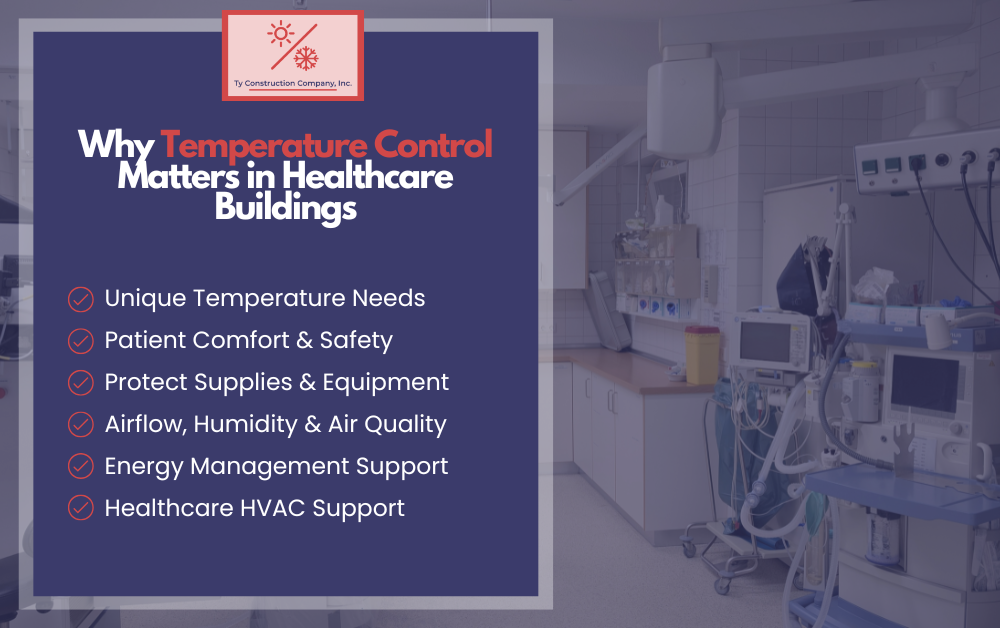
In healthcare buildings, temperature control plays an important role in creating a safe, comfortable, and reliable environment. Medical facilities need more than general heating and cooling. They often need stable indoor conditions that support patients, staff, medical equipment, stored supplies, and daily operations.
When temperatures fluctuate too much, healthcare spaces can become uncomfortable, inefficient, or harder to manage. Patient rooms, waiting areas, pharmacies, laboratories, and treatment areas may all have different temperature needs, which makes a dependable HVAC system essential. For healthcare facilities, consistent temperature control helps protect comfort, safety, and the quality of care provided each day.
Healthcare Buildings Have Unique Temperature Control Needs
Healthcare buildings are different from standard commercial spaces because each area may have its own temperature requirements. A waiting room may need to feel comfortable for visitors, while patient rooms need steady conditions for people who are resting or recovering. Laboratories, pharmacies, treatment areas, and storage spaces may also require more controlled environments to protect supplies, equipment, and daily operations.
This makes temperature control more complex in medical facilities. The HVAC system needs to support different zones, changing occupancy levels, and spaces that may operate around the clock. When the system is not designed, maintained, or monitored properly, certain areas may become too warm, too cold, or inconsistent throughout the day.
Patient Comfort and Safety Depend on Stable Conditions
In healthcare buildings, indoor temperatures can directly affect how patients feel during their visit or stay. People who are recovering from illness, receiving treatment, waiting for care, or managing ongoing health concerns may be more sensitive to temperature changes than the average person. A room that feels slightly too warm or too cold to one person may feel much more uncomfortable to a patient.
Reliable temperature control helps create a calmer, more comfortable environment for patients, visitors, and staff. When temperatures remain steady, patients are less likely to experience added discomfort from drafts, hot spots, cold rooms, or sudden temperature swings. This is especially important in areas where people may be sitting, resting, or receiving care for extended periods of time.
Areas Where Comfort Matters Most
Some areas of a healthcare facility rely heavily on consistent comfort, including:
- Patient rooms
- Waiting rooms
- Exam rooms
- Treatment areas
- Recovery spaces
- Staff work areas
Temperature issues in these spaces can lead to complaints, distractions, and added stress during an already sensitive experience. For staff, poor temperature control can also make long shifts more difficult, especially in fast-paced areas where focus and efficiency matter.
Stable conditions help healthcare facilities support a better overall experience. While HVAC systems cannot solve every operational challenge, they do play an important role in making the building feel more dependable, comfortable, and professional for the people inside.
Temperature Control Helps Protect Medical Supplies and Equipment
Healthcare buildings often depend on supplies, medications, samples, and equipment that need stable indoor conditions. When temperatures fluctuate too much, it can create storage concerns, affect performance, or make certain areas harder to manage. This is one reason temperature control is such an important part of facility planning and HVAC performance in medical environments.
Not every healthcare item has the same storage requirement, but many are sensitive to heat, cold, or humidity. Even if a facility uses dedicated refrigerators or specialized storage units for certain materials, the surrounding building environment still matters. A room that overheats, feels damp, or experiences frequent temperature swings can place extra strain on equipment and create avoidable risk.
Supplies and Areas That May Need Added Attention
Temperature control can be especially important in spaces that involve:
- Medication storage areas
- Laboratories and testing spaces
- Medical supply rooms
- Vaccine or specimen storage areas
- Imaging or diagnostic equipment rooms
- Server rooms or technology areas that support facility operations
Consistent HVAC performance helps support these spaces by keeping the surrounding environment more predictable. It can also help reduce stress on refrigeration units, sensitive equipment, and building systems that are already working to maintain specific conditions.
For healthcare facilities, protecting supplies and equipment is not just about avoiding replacement costs. It is about supporting daily operations, reducing preventable disruptions, and helping staff access the resources they need when patient care depends on them.
HVAC Systems Support Airflow, Humidity, and Indoor Air Quality
In a healthcare building, comfort is not only about the number on the thermostat. The HVAC system also affects how air moves through the facility, how balanced each area feels, and how well different rooms maintain steady indoor conditions throughout the day. A waiting room may become crowded during busy appointment times, which can make the space feel warmer or stuffier, while patient rooms may need gentler and more consistent airflow so people can rest comfortably.
Humidity is another important part of maintaining a safe and comfortable healthcare environment. If indoor air is too humid, rooms can feel heavy, uncomfortable, or harder to cool. If the air is too dry, patients, visitors, and staff may notice irritation or discomfort. Reliable HVAC performance helps keep these conditions more balanced, which supports both comfort and building function across patient areas, treatment rooms, storage spaces, and administrative offices.
This is where strong system design and regular maintenance make a difference. Clean air filters, proper ventilation, balanced airflow, and well-maintained equipment all help the building operate more consistently. When those pieces are overlooked, healthcare facilities may begin to notice uneven temperatures, stale air, higher energy use, or areas that never seem to feel quite right. For medical facilities, air movement, humidity, and indoor air quality are all connected to dependable temperature control.
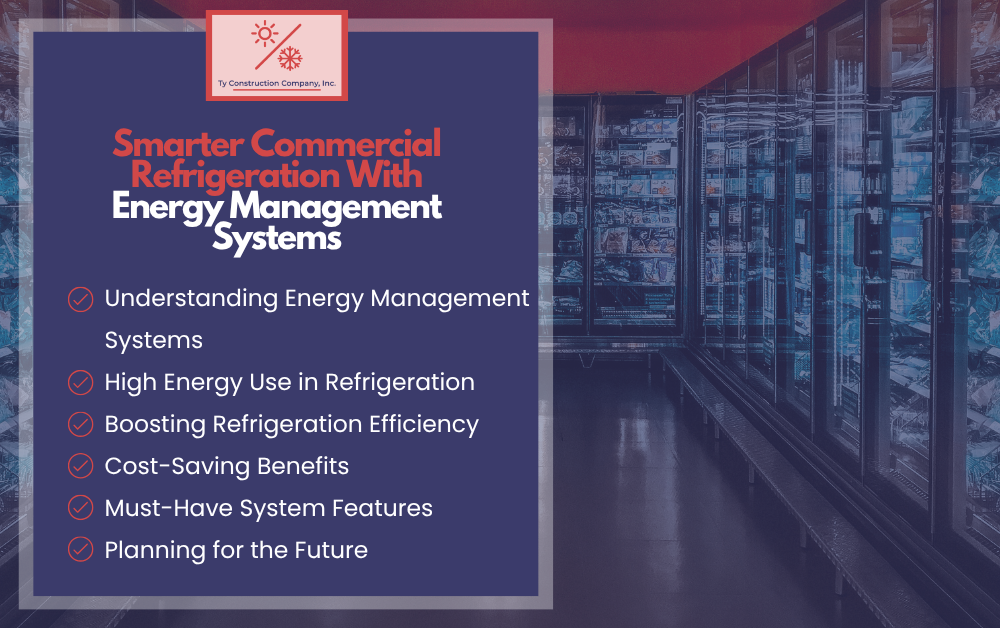
Energy Management Can Help Maintain Temperature Control
Healthcare buildings often have multiple areas operating at the same time, but not always in the same way. A waiting room may be busiest during the day, patient areas may need steady comfort around the clock, and offices or administrative spaces may have more predictable schedules. Energy management systems can help facilities monitor these different needs and make more informed adjustments throughout the building.
With the right system in place, healthcare facilities can better track temperature changes, equipment performance, and energy usage across different zones. This can be especially helpful in buildings where certain areas need closer control than others. Instead of relying only on manual adjustments or reacting after a problem is noticed, facility managers can use system data to identify patterns, spot inconsistencies, and respond more quickly.
For healthcare buildings, energy management is not just about lowering utility costs. It can also support more dependable temperature control, better comfort, and smoother day-to-day operations. When HVAC systems are monitored and managed properly, facilities are better prepared to maintain stable conditions for patients, staff, supplies, and equipment.
Partner With TY Construction for Healthcare HVAC Support
Healthcare facilities cannot afford to take a reactive approach to temperature issues. If one area is too warm, another is too cold, or certain rooms struggle to maintain steady conditions, it may be a sign that the HVAC system needs maintenance, repair, upgrades, or better monitoring.
TY Construction can help healthcare buildings address issues such as:
- Inconsistent temperatures between rooms or zones
- HVAC systems struggling during peak demand
- Poor airflow in patient or waiting areas
- Humidity concerns in sensitive spaces
- Aging equipment that needs repair or replacement
- Energy management needs across larger facilities
- Refrigeration support for commercial and medical-related spaces
The right HVAC partner can help healthcare facility managers move from reacting to problems toward planning ahead. With commercial HVAC, refrigeration, and energy management experience, TY Construction can support systems that are designed to keep buildings comfortable, efficient, and dependable.
For healthcare buildings, reliable temperature control starts with having the right team in place. Whether your facility needs service, system improvements, or a more proactive maintenance plan, TY Construction can help create a better environment for patients, staff, and daily operations.
Conclusion
Temperature control is an important part of keeping healthcare buildings safe, comfortable, and reliable. From patient rooms and waiting areas to laboratories, pharmacies, storage spaces, and staff work areas, each part of a medical facility depends on steady indoor conditions to support daily operations.
When HVAC systems are properly designed, maintained, and monitored, healthcare facilities are better prepared to manage comfort, airflow, humidity, equipment needs, and sensitive storage areas. For facility managers, taking a proactive approach can help reduce disruptions and create a more dependable environment for everyone in the building. Contact TY Construction today to discuss commercial HVAC, refrigeration, and energy management support for your healthcare facility.